Talk about escape from the summer heat of Manila, Tagaytay comes into mind easily because of its easy access.
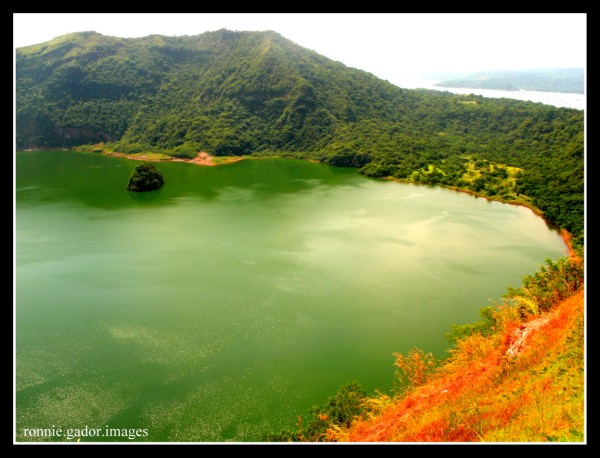
Tagaytay City, at elevation 2,500 above sea level, a component city in the province of Cavite in the Philippines,is known as the summer capital of Southern Luzon because of its cool highland weather. Only 56 kilometers south of Manila, it is situated on the scenic Tagaytay Ridge that has a spectacular view of Taal Volcano.
Tagaytay is famous not only for the awesome view of Taal's lake-within-a-volcano-within-a-lake-within-a-volcano but also for fruits, vegetables, beef, native coffee and flowers as well.
Tagaytay is a famous get-away for families, couples and tourists for the spectacular views, picnic spots, restaurants, resort and recreational facilities as well as retreat/recollection centers catering the schools and universities of Manila.
Apart from its natural beauty, Tagaytay is also historic. You will find several historic markers. Having the Tagaytay Ridge Landing first installed in 1951, this was the site of the first parachute landing in the Philippines executed by the 511th Parachute Infantry Regiment, 11th Airborne Division, 8th Army, USA that happened on February 3, 1945.
You will also find the 41st Division USAFFE marker in Kaybagay South of Tagaytay City. During World War II, Filipino soldiers found refuge in its vast forest and ridges. It was used as a landing site and sanctuary for paratroopers on their way to liberate Manila.
Tagaytay is not just a nature's wonder, it is also rich in political history.
Tagaytay City, at elevation 2,500 above sea level, a component city in the province of Cavite in the Philippines,is known as the summer capital of Southern Luzon because of its cool highland weather. Only 56 kilometers south of Manila, it is situated on the scenic Tagaytay Ridge that has a spectacular view of Taal Volcano.
Tagaytay is famous not only for the awesome view of Taal's lake-within-a-volcano-within-a-lake-within-a-volcano but also for fruits, vegetables, beef, native coffee and flowers as well.
Tagaytay is a famous get-away for families, couples and tourists for the spectacular views, picnic spots, restaurants, resort and recreational facilities as well as retreat/recollection centers catering the schools and universities of Manila.
Apart from its natural beauty, Tagaytay is also historic. You will find several historic markers. Having the Tagaytay Ridge Landing first installed in 1951, this was the site of the first parachute landing in the Philippines executed by the 511th Parachute Infantry Regiment, 11th Airborne Division, 8th Army, USA that happened on February 3, 1945.
You will also find the 41st Division USAFFE marker in Kaybagay South of Tagaytay City. During World War II, Filipino soldiers found refuge in its vast forest and ridges. It was used as a landing site and sanctuary for paratroopers on their way to liberate Manila.
Tagaytay is not just a nature's wonder, it is also rich in political history.


.JPG)
.JPG)
.JPG)
.JPG)
.JPG)
.JPG)
.JPG)
.JPG)